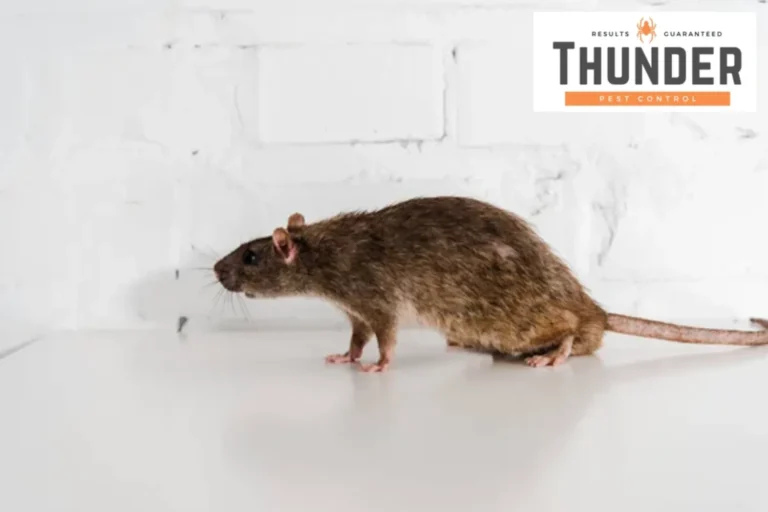
To identify the difference between these two species, you must examine the shape and size of the fecal matter. Norway rat droppings are large (up to 3/4 inch), blunt-ended, and shaped like a rectangular capsule, whereas roof rat droppings are smaller (1/2 inch), tapered to a point, and often curved like a banana. Recognizing these distinct morphological traits enables a targeted pest-control strategy tailored to the rodent’s specific climbing or burrowing habits.
The Importance of Precise Rodent Identification
When you discover evidence of a rodent infestation in your home or business, the initial shock often gives way to a pressing question: “What exactly am I dealing with?” In the world of professional pest control in Ardmore, identification is not just a formality; it is the blueprint for eradication.
Roof rats (Rattus rattus) and Norway rats (Rattus norvegicus) may look similar to the untrained eye, but they are biological opposites in terms of behavior, nesting preferences, and transit routes. Because their habits differ so wildly, a “one size fits all” trapping program often fails. By learning to read the “signs” left behind, specifically their droppings, you can determine whether your intruder is coming from the sewers and crawlspaces or descending from the attic and trees.
Comparing the Physical Characteristics of Rat Droppings
The most reliable way to differentiate between these two pests without seeing them is to examine their waste. While both produce dark, pellet-shaped droppings, the structural nuances are telling.
Norway Rat Droppings (The “Capsule”)
The Norway rat is a heavy-set, ground-dwelling rodent. Their physical bulk is reflected in the size of their droppings.
- Size: Typically 18 mm to 20 mm (roughly 3/4 of an inch).
- Shape: Thick and cylindrical with blunt, rounded ends. They look very similar to a large vitamin capsule or a grain of “puffy” rice.
- Consistency: Fresh droppings are moist and soft; older ones become hard and brittle.
Roof Rat Droppings (The “Spindle”)
Roof rats are lean, agile climbers. Their waste is more aerodynamic in appearance, much like the rats themselves.
- Size: Smaller than the Norway rat, usually averaging 12 mm to 13 mm (about 1/2 inch).
- Shape: Thinner and more “spindle-like” with sharply pointed ends.
- Curve: It is very common for roof rat droppings to have a slight crescent curve, frequently described as “banana-shaped.”
Quick Comparison Table
| Feature | Norway Rat | Roof Rat |
| Shape | Blunt/Capsule | Pointed/Spindle |
| Average Length | 3/4 inch | 1/2 inch |
| Visual Aspect | Straight and chunky | Curved and slender |
| Nesting Site | Low-level (basements) | High-level (attics) |
Location as a Diagnostic Tool
Where you find the droppings is often just as important as what they look like. During a recent audit for a commercial client in one of our local neighborhoods, our team identified a significant discrepancy between where the client thought the rats were and where the droppings actually were.
- Norway Rats: These are “basement rats.” They prefer damp, low-lying areas. If you find blunt-ended droppings along floorboards, near the water heater, or in crawlspaces, you are likely dealing with Norway rats.
- Roof Rats: As the name suggests, these are aerial experts. If you find pointed, curved droppings on top of kitchen cabinets, along attic rafters, or on high shelves in the garage, you have a roof rat problem.
Using this “spatial data” is a core component of effective Ardmore pest control. If you place traps on the floor for a roof rat, you might catch nothing while the infestation continues to grow overhead.
Debunking the Color Myth in Rodent Waste
One of the most persistent myths in the industry is that the color of the dropping indicates the species. For example, some believe Norway rats produce darker waste than roof rats.
This is entirely false. The color of a rat’s droppings is a reflection of its most recent meal, not its species. A rat that has consumed high-protein pet food will produce very dark, almost black droppings. Conversely, a rat that has been feeding on grain or cardboard may produce lighter, tan-colored waste. Furthermore, if a rat has consumed dyed rodenticide bait, the droppings may turn bright green, blue, or pink. When performing pest control in Ardmore, OK, we always advise clients to ignore the color and focus strictly on the shape and location.
Applying our Apex-Logic Method to Solve This
At Thunder Pest Control, we don’t just “set traps.” We utilize our proprietary Apex-Logic Method, built on 50 years of combined pest control experience. This methodology is the most efficient way to handle rodent infestations by combining biological science with cutting-edge services.
The Apex-Logic Method involves three specific pillars:
- Behavioral Forensics: We analyze the morphology of the droppings to determine the “transit highway” the rodents are using.
- Environmental Shielding: Once we identify the species via their waste, we use our experience to locate the specific entry points. Norway rats often enter through broken sewer lines or foundation cracks, while roof rats find gaps in the soffits or roofline.
- Sustained Eradication: By using the most efficient technology available, we ensure the solution is long-term rather than a temporary fix.
Our 50 years of experience have taught us that every home is a unique ecosystem. Whether we are working in quiet residential neighborhoods or busy commercial districts, the Apex-Logic Method ensures we aren’t guessing; we are executing a calculated plan.
Why Professional Intervention is Necessary
It can be tempting to try to handle a rat problem with store-bought hardware. However, rodent waste is more than just a nuisance; it is a biohazard. Droppings can carry Hantavirus, Salmonellosis, and Leptospirosis.
When you choose a professional partner, you aren’t just paying for the removal of the animal; you are paying for the safety and decontamination of your environment. Our team is trained to handle these materials with professional-grade PPE, ensuring that your family or employees are not exposed to airborne pathogens during the cleanup process.

People Also Ask (FAQ)
How many droppings does a rat leave per day?
A single rat can produce between 40 and 50 droppings in a single night. This is why even a small infestation can quickly result in a significant mess.
Are rat droppings dangerous to touch?
Yes. You should never handle rodent droppings with your bare hands. They can harbor bacteria and viruses that remain active even after the droplets have dried. Always use gloves and a mask, or better yet, call a professional.
How can I tell if the droppings are fresh?
Fresh droppings have a “wet” or shiny appearance and a putty-like consistency. Older droppings appear dull and grey and will crumble easily if disturbed.
Can I vacuum up rat droppings?
No. Vacuuming can aerosolize dried fecal matter and viruses, allowing them to be inhaled. It is better to dampen them with a disinfectant solution before carefully sweeping them up, or to hire a specialized service.
Your Partner in Professional Rodent Solutions
At Thunder Pest Control, we understand that discovering signs of a rodent infestation can be stressful and unsettling. Our brand is built on being a professional, reliable, and dedicated partner to homeowners and businesses alike. We don’t just want to solve your problem; we want to provide the peace of mind that comes with knowing your property is secure.
We believe in providing quality service with a focus on complete customer satisfaction. Our family-oriented approach ensures that we treat your home with the same care and transparency we would our own. By prioritizing safe and effective methods, we offer efficient, safe, and long-term solutions that stand the test of time.
When you see the “Thunder” name, you are seeing 50 years of combined experience at work. Our goal is for you to feel assured and confident that your pest issues are being handled with the highest level of expertise. Don’t let a small drop in lead cause a massive headache. If you have spotted signs of activity in your home or one of the surrounding neighborhoods, it is time to act.
Are you ready to reclaim your home from unwanted guests? Contact us today for a professional consultation and a transparent quote. Our specialized rodent solutions are tailored to your specific needs, ensuring your property remains a safe, pest-free environment.