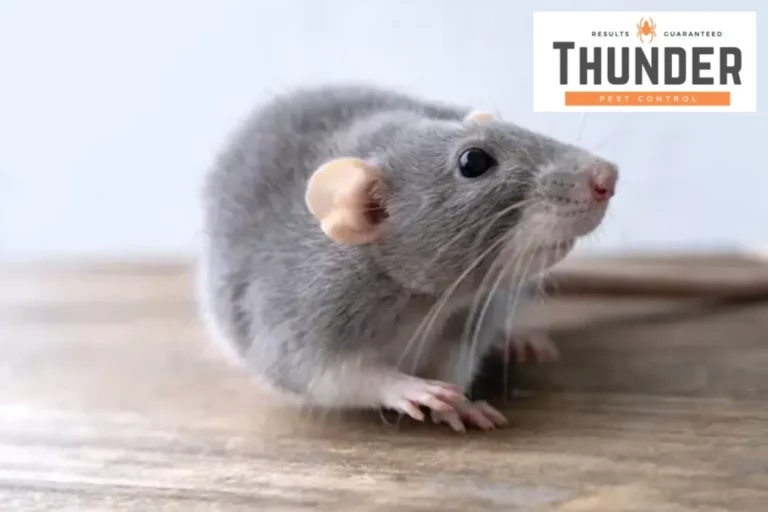
To safely clean rodent waste without a vacuum, never sweep or vacuum dry droppings, as this aerosolizes dangerous pathogens like Hantavirus. Instead, thoroughly saturate the area with a 10% bleach solution or disinfectant for five minutes, then use paper towels to pick up the debris and double-bag it for disposal.
Taking a “wet-method” approach is the only way to ensure that microscopic viral particles remain trapped in the liquid rather than floating into your respiratory system. For homeowners dealing with an infestation, understanding these safety protocols is a critical part of a comprehensive pest control strategy.
1. Why “Dry Cleaning” is a Biohazard
The primary danger in rodent cleanup is not the visible mess, but what you cannot see. When rodent urine, droppings, or nesting materials dry out, any viruses they contain, most notably Hantavirus, can become airborne the moment they are disturbed.
If you use a broom or a standard vacuum, the bristles or the exhaust air flick these tiny, contaminated dust particles into the air. Once inhaled, these pathogens can cause severe respiratory distress. This is why professional pest control in Ardmore always prioritizes stabilization before removal.
Comparison: Safe Wet-Method vs. Dangerous Dry-Method
| Feature | Safe Wet-Method | Dangerous Dry-Method |
| Primary Tool | Disinfectant spray and paper towels. | Vacuum cleaner or straw broom. |
| Pathogen Risk | Contained liquid binds dust particles. | High forces viruses into the air. |
| Disposal | Sealed double-plastic bags. | Open the dustbin or vacuum canister. |
| Required PPE | Gloves, an N95 mask, and eye protection. | Often dangerously overlooked. |
2. The 5-Step Decontamination Protocol
Cleaning up after a rodent requires a methodical approach that treats the area like a biohazard zone. During a recent audit for a property in Ardmore, we emphasized that the goal is neutralization first, removal second.
Step 1: Personal Protective Equipment (PPE)
Before entering the affected area, you must protect yourself. Put on rubber, nitrile, or vinyl gloves. Use an N95 respirator mask to filter out any airborne particles, and wear goggles to protect your eyes from accidental splashes of disinfectant.
Step 2: The Saturation Soak
Do not stir up dust. Use a spray bottle filled with a commercial disinfectant or a 1-to-9 bleach-to-water mixture. Spray the droppings and nesting material until they are completely soaked. Let the solution sit for at least 5 full minutes. This “dwell time” is necessary to actually kill the pathogens.
Step 3: The “Scoop and Wipe”
Using paper towels, carefully pick up the urine-soaked materials and droppings. Use a lifting motion rather than a scrubbing motion to avoid spreading the mess deeper into porous surfaces.
Step 4: Secondary Surface Disinfection
Once the bulk of the waste is removed, respray the entire area. Wipe down baseboards, countertops, and any nearby objects that may have been in contact with the rodents. If you are working in a tight space, such as a crawlspace or attic, ensure you are moving from the furthest corner toward the exit to avoid re-contaminating cleaned areas.
Step 5: Secure Disposal
Place all used paper towels and waste into a plastic bag and seal it tightly. Place that bag into a second plastic bag (double-bagging) and seal that as well. Dispose of the bags in a covered outdoor trash can. Finally, wash your gloved hands with soap and water, remove the gloves, and wash your bare hands again.
3. Applying our Efficient, Cutting-Edge Services to Solve This
At Thunder Pest Control, we believe that effective remediation goes beyond a simple wipe-down. We utilize efficient, cutting-edge services to ensure that your home is not only clean but also structurally defended against future invasions. Our proprietary exceptional pest solutions involve a three-tier approach to sanitization:
- Atmospheric Stabilization: We use specialized misting equipment to settle lingering dust in large areas, such as attics, before cleanup begins.
- Surface Porosity Analysis: Rodent urine can penetrate deep into wooden floor joists or drywall. Our technicians evaluate the “depth” of contamination to determine whether topical cleaning is sufficient or whether structural materials need replacement.
- Molecular Odor Neutralization: Rodents leave behind pheromones in their sebum and urine that act as a “trail” for other pests. We apply professional-grade enzymatic treatments that break these molecules down at the source, effectively “de-scenting” your home so it no longer attracts new intruders.
By combining these exceptional pest solutions with traditional cleanup, we provide a level of security that standard cleaning services simply cannot match.
4. Debunking the “Vacuum with a HEPA Filter” Myth
Myth: “It’s safe to vacuum mouse droppings as long as you use a HEPA filter.”
The Reality: This is a dangerous misconception that we frequently address when providing pest control in Ardmore, OK. While a HEPA filter is designed to trap small particles, most household vacuums are not “sealed systems.” This means that air (and viral particles) can escape through small gaps in the vacuum’s housing or hose connections before it ever reaches the filter.
Furthermore, vacuuming draws a high-velocity stream of air over the dry droppings, instantly aerosolizing them. Even if your filter catches 99% of the particles, you have now contaminated the inside of your vacuum, the hose, and the canister. Every time you turn that vacuum on, you risk blowing residual pathogens back into your living room. Unless you are using an industrial-grade, certified sealed-HEPA system specifically for biohazard work, keep the vacuum in the closet.
5. Handling Nesting Materials and Heavily Soiled Items
Nests are often found in quiet neighborhoods inside wall voids or storage boxes. These materials, usually shredded insulation, paper, or fabric, hold the highest concentration of pathogens.
- Drenching for Depth: Because nests are thick, a light misting isn’t enough. You must drench the nest until the liquid penetrates to the very center.
- Non-Agitation Removal: Do not pull the nest apart to see what’s inside. Lift it directly into your disposal bag as one solid, damp unit.
- Porous Item Care: If a nest was found on top of clothing or bedding, these items should be laundered on the hottest possible setting with heavy-duty detergent. If the item cannot be washed in high heat, it is often safer to dispose of it entirely.
6. Proactive Prevention: The Final Step in Cleanup
Cleaning the mess is only half the battle. If you don’t address how the rodent got inside, you will find yourself repeating this dangerous cleanup process in a few weeks. Effective Ardmore pest control requires a “seal and clean” mindset.
- Seal Entry Points: Check for gaps around pipes and foundation cracks. Remember, a mouse can fit through a hole the size of a pencil.
- Eliminate Attractants: Ensure all food, including pet food, is stored in airtight, hard-plastic, or metal containers.
- Trim Vegetation: Keep tree limbs and bushes at least six feet away from your roof and siding to remove “bridges” that pests use to access your home.

People Also Ask (FAQ)
Q: How long does Hantavirus live in rodent droppings?
A: Research suggests the virus can remain active for 2 to 3 days at room temperature. However, since it is impossible to know exactly when a dropping was “fresh,” you should always treat all waste as if it is actively infectious.
Q: Can I use vinegar instead of bleach?
A: While vinegar is a mild disinfectant, it is not recommended by the CDC for neutralizing Hantavirus. A 10% bleach solution or a registered hospital-grade disinfectant is the gold standard for safety.
Q: What if I accidentally vacuumed some droppings already?
A: Move the vacuum outside immediately. Change the bag or empty the canister while wearing PPE, and wipe down the entire exterior and interior of the vacuum with disinfectant. Avoid using that vacuum for several days to allow any lingering particles to settle or lose viability.
Q: Are there specific signs of a “high-risk” area?
A: Any enclosed space with poor ventilation, such as an attic, crawlspace, or storage shed, is considered high-risk. In these neighborhoods, air doesn’t circulate well, allowing viral concentrations to build up over time.
Trust Your Local Experts for a Safer Home
At Thunder Pest Control, we are more than just an extermination company; we are your professional and reliable partner in maintaining a healthy environment for your family or business. We understand the stress and health concerns that come with a rodent infestation, and we are dedicated to handling every situation with the utmost care and professionalism.
Our family-oriented approach ensures that we prioritize your safety and satisfaction above all else. Whether you need an initial consultation or a full-scale remediation, our team is ready to deliver the lasting results you need. Don’t risk your health with improper cleanup methods. Let us provide the assurance and security you deserve.
Ready to reclaim your home from pests? Contact us today for a consultation or quote. Our expert team is standing by to help you move forward with confidence and peace of mind.