Bed bug activity increases immediately after a professional residual application because modern non-repellent chemicals trigger a powerful flushing effect. These advanced treatments intentionally irritate the nervous systems of hidden bugs, driving them out of deep wall voids, baseboards, and mattress crevices. This temporary surge in movement forces the disoriented pests to cross exposed chemical barriers, ensuring they absorb a fatal dose and leading to total population collapse.
The Biological Catalyst: Inside the Post-Treatment Spike
Watching an army of insects suddenly crawl out of your furniture can be incredibly unsettling, especially when you have just paid for professional remediation. However, this sudden spike in pest traffic is actually the first indicator of a highly successful treatment program. Understanding the biology behind this surge explains why bugs seemingly flood the treated area.
Neurotoxin-Induced Hyperactivity
Bed bugs are naturally photophobic, meaning they fear light, and thigmotactic, meaning they prefer tight, compressed spaces. They spend their lives, squeezed deep into the darkness, to avoid detection.
Exposure to professional residual products can disrupt its central nervous system, causing a brief burst of uncoordinated hyperactivity that overrides its natural instinct to stay hidden during daylight hours. This is why bugs may wander into the open after treatment from a trusted bed bug exterminator in Oklahoma City, OK.
The Quest for Survival Migration
As the chemical dries on surfaces and releases micro-vapors inside tight structural cracks, the nesting zones become highly uncomfortable for the pests. The bugs panic and flee their habitats to escape the irritation.
Because they are deeply disoriented by the active ingredients, they begin crawling across open walls, ceilings, and floors during the day. This creates an immediate increase in visibility, making it look like the infestation has grown when you are actually just seeing the hidden population being successfully evicted.
Normal Treatment Spikes vs. True Application Failure
It is vital to monitor the behavior and physical condition of the pests during the first two weeks to confirm that your service is on track for success. Knowing what to expect day by day can help you stay calm.
The 14-Day Post-Application Timeline
- Days 1 to 3 (The Peak Surge): A massive spike in visible activity occurs. Pests emerge in plain sight, wandering sluggishly during daytime hours.
- Days 4 to 7 (The Slowdown): Sighted bugs appear extremely weak, disoriented, or flat on their backs. Dead insects begin accumulating on floorboards.
- Days 8 to 14 (The Drop-Off): Visible activity plummets to near zero. Eggs remaining in hidden crevices hatch, but the tiny nymphs immediately adhere to the surface residue and die.
- Day 15 and Beyond (Eradication Check): Active breeding cycles are completely broken, and new bite reports stop entirely.
Quick Evaluation Metrics
| Visual Indicator | Expected Post-Treatment Surge | Potential Treatment Failure |
| Pest Movement | Sluggish, erratic, or uncoordinated crawling. | Fast, alert, and avoid treated areas. |
| Sighting Time | Exposed in broad daylight on open surfaces. | Strictly active at night, moving from room to room. |
| Population Trend | Sharp initial rise followed by an absolute crash by day 10. | Steady, unchanging activity levels past 21 days. |
During a recent structural inspection for a residential property manager, our team saw this exact biological timeline unfold with bed bug control in OKC. The tenant was worried on day two when bugs were crawling up the living room drywall, but by day nine, the active trailing had vanished entirely, leaving only dead debris behind.
Debunking the Myth: “If I Am Still Getting Bitten, the Treatment Failed”
The single biggest misconception among property owners is that a professional application should act like an instant forcefield, preventing bites from the very first night.
The Reality: For non-repellent residual treatments to work, bed bugs must emerge and travel across the treated surfaces.
Because these pests do not actively hunt when they are comfortable, they are drawn out by your body heat and the carbon dioxide you exhale while sleeping. They must leave their harborages and attempt to migrate toward the bed to feed. As they cross the technician’s invisible residual barrier, they contract the lethal dose. Getting a few isolated bites during the first few days after service does not mean the chemical failed it means the bugs are interacting with the treatment zones exactly as planned.
Applying Our Integrated Protocol to Solve This
At Thunder Pest Control, we do not rely on simple, blind chemical sprays that cause bugs to panic and scatter into neighboring rooms. Instead, we use a multi-tiered management system designed to work with insect biology to turn this short-term surge into a long-term cure. We utilize a highly organized framework that combines state-of-the-art tools and advanced techniques to manage the flushing phase safely.
Precision Mapping and Visual Audits
We perform highly focused visual audits using high-intensity magnification tools to examine the primary perimeter zones around your bed frame and baseboards. By locating the core nesting hubs before applying products, we ensure our invisible barriers are placed directly in their paths.
Advanced Non-Repellent Barriers
We exclusively deploy premium, non-repellent chemical formulas that pests cannot smell, taste, or detect. This allows them to walk naturally through treated zones without panic, picking up microscopic particles on their outer shells. Through a process called horizontal transfer, they pass the active ingredient to one another inside the nest, systematically dismantling the hidden core of the infestation.
Passive Monitoring Systems
We place specialized passive traps beneath bed posts and furniture legs. These devices capture emerging insects during the initial hyperactivity phase, keeping them from reaching the mattress while providing our team with clear data on the size and direction of the declining population.
Technical Specs: Understanding the Lifecycle
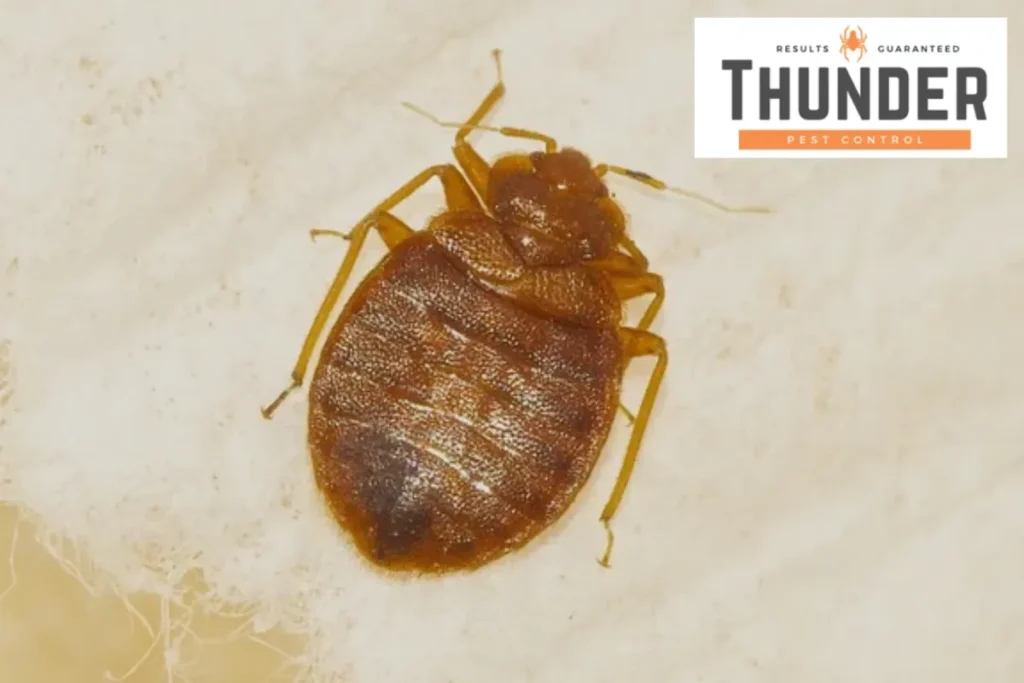
Adult Bed Bug : A wingless, oval-shaped insect roughly 5 to 7 millimeters in length, possessing a flattened mahogany body that turns elongated, swollen, and bright red after taking a blood meal.
Flushing Agent : A specialized component within premium chemical products that alters behavior, forcing them to exit structural voids and cross exposed barrier zones.
Residual Barrier : A long-lasting, non-repellent chemical application that remains active on surfaces for weeks, eliminating pests through contact long after the spray dries.
Population Collapse : The final phase of successful remediation where all reproductive adults, nymphs, and newly hatched eggs are entirely eliminated.
People Also Ask
Should I sleep in a different room if I see more bed bugs after treatment?
No, you must continue sleeping in your regular bed. If you move to another room or sleep on the couch, the displaced insects will track your carbon dioxide signature and migrate into those clean areas, spreading the infestation across your home.
Can I vacuum up the dead bed bugs right away?
Yes, you can vacuum up dead insects and shed skins. However, use a vacuum attachment carefully and avoid scraping or scrubbing the treated baseboards and bed frame joints, as this can prematurely wear down the invisible chemical residual barrier.
Why do some bed bugs look flat and others look full of blood after treatment?
Flat bed bugs are starving workers flushed out from deep walls before they can feed. If you see an elongated, dark red bug, it has recently taken a blood meal, but if it is moving slowly, it has already contracted the lethal dose from the barrier.
Can I apply my own store-bought spray if I see live bugs?
No. Applying retail sprays over professional treatments can ruin the application. Store-bought sprays are often highly repellent, which will scare the bugs away from the undetectable professional products and stop the horizontal transfer process.
Trust the Process to Reclaim Your Peace of Mind
A brief spike in bug activity can be a sign that treatment has reached hidden nesting areas, so it is important to avoid store-bought sprays while the professional barrier continues working. Thunder Pest Control provides professional, reliable, and safe solutions with a focus on transparency, customer satisfaction, and long-term results, helping local homes and businesses manage nuisances with confidence.
Our brand stands out due to our years of experience, family-oriented approach, and commitment to customer satisfaction. We want our audience to feel assured and confident. When customers engage with our content or use our services, they should feel secure knowing that their issues will be handled effectively and with care and professionalism. If you are struggling with a sudden outbreak and need a reliable bed bug exterminator in OKC, our team provides fast, dependable support you can count on.
We provide dependable solutions for homeowners and businesses in Oklahoma City and Lawton, OK, including rodent, bed bug, termite, and mosquito control. Our safe, reliable treatments are tailored to each property’s needs, helping clients protect their homes and businesses with less stress and more confidence. For professional bed bug control in OKC or customized pest management services, contact a certified professional today.
We encourage readers to contact us today for a consultation or an accurate quote. Reach out now and schedule your service!