
Our Pest Library
Top-Rated Pest Control
Fleas are tiny, wingless insects with flat, hard bodies. They are reddish-brown and have six legs; their hind legs are larger and stronger than the others, and allow them to jump onto their hosts. Fleas feed on the blood of their animal hosts.
Dog and cat fleas are two of the most common species living throughout the United States. Both species feed on a variety of warm-blooded mammals, such as mice, rats, squirrels, rabbits, opossums, raccoons, and deer – as well as dogs and cats. While fleas prefer to feed on the blood of animals with fur, if animals are not available, or in the case of a large infestation, they will also feed on people.
Fleas are not dangerous pests, but you need to control them when they get onto your property. They should not be allowed to develop large populations in our yards and homes. Listed below are problems that fleas create for homeowners whether pets are present or not:
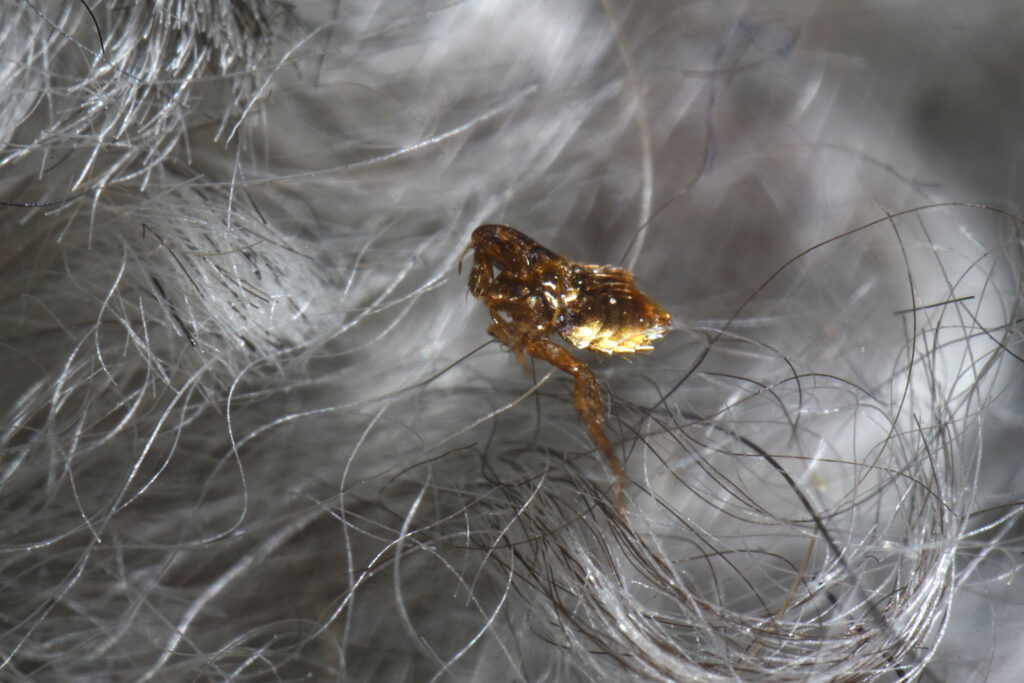
Though sometimes it may seem like it, fleas don’t just magically appear in your yard or your home. They are introduced onto your property by wild animals that are either living in your yard or passing through. Fleas then come into contact with you or your pets and are then introduced into your home. Fleas also find their way into homes on the backs of mice and other rodents that have decided to use your house as a nesting site.
Another common way fleas to find their way into the homes of non-pet owners are in used rugs or furniture. Fleas can also get into your house on the backs of pets after they come into contact with them at a campground, a park, in a neighbors yard, at their vet’s office, or at a grooming facility.
Fleas typically live outside either on the back a furry host feeding or hiding in dark, moist areas or sandy soil. Unfortunately, fleas don’t only live outdoors but are common pests inside our homes. Fleas that get into our homes, either by us, our pets, or by invading wild animals, live in a variety of places, including behind wall voids, in upholstered furniture, in bedding, in rugs, and behind baseboards.
The task of eliminating fleas from your Oklahoma property should be left to a professional. At Thunder Pest Control, we have 50 years of combined pest control experience. We know pests and how to eliminate them from properties once and for all!
We guarantee our results and take pride in treating our customers like family. We are a local company dedicated to using only the most efficient, cutting-edge services possible. If you are looking for exceptional pest solutions for your Oklahoma City area home or business, contact the pest professionals at Thunder Pest Control today!
In addition to our professional pest control services, take the time necessary to implement these easy-to-execute prevention tips:
They are tiny, wingless insects with flat, hard bodies that are usually reddish-brown. They feed on the blood of warm-blooded animals such as dogs, cats, rodents, rabbits, raccoons, and other wildlife. When infestations become large, or animal hosts are unavailable, they may also bite people.
They are not usually considered highly dangerous, but they can cause several problems for people and pets. Flea bites can leave itchy rashes, and excessive scratching may lead to irritation or secondary infections. They can also cause flea allergy dermatitis in pets and may carry tapeworms.
They can still become a problem even if you do not own pets. Wildlife such as mice, rats, squirrels, rabbits, opossums, raccoons, and deer can bring them onto your property. Once they are in the yard, they may move indoors and become difficult to control without professional help.
You can help prevent them by keeping your yard maintained, reducing wildlife activity around your property, vacuuming regularly, washing pet bedding, and working with your veterinarian to keep pets protected. Thunder Pest Control can also provide flea control services to help reduce flea activity around your home.
They reproduce very quickly. A single female flea can lay dozens of eggs in a short period of time, allowing infestations to grow rapidly if left untreated. Because flea eggs, larvae, pupae, and adults may all be present simultaneously, professional treatment is often the most effective way to eliminate an infestation.

