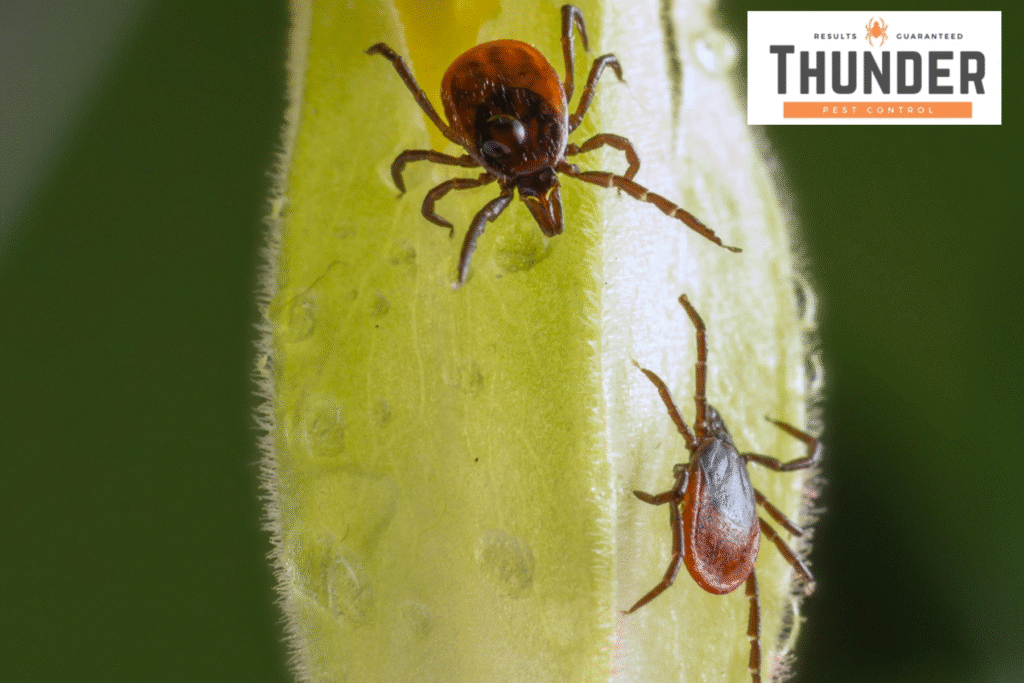
Ticks can be more than just a nuisance; they can carry harmful diseases like Lyme disease and Rocky Mountain spotted fever. In Norman, understanding prevalence and knowing how to manage an infestation is essential to keeping your yard and loved ones safe. If you’re concerned about your yard, pest control experts can provide effective solutions. In this blog, we’ll discuss how to identify infestations, which areas in Norman are more likely to have them, and what to expect from treatments.
How to Tell if Your Yard Has a Tick Infestation and What to Look For
Ticks are small and hard to detect, but there are signs you can watch for to determine if your yard has a problem. Knowing these signs can help you address an infestation early and take the necessary steps for an effective solution, preventing potential health risks for your family and pets.
Common Signs of Tick Infestation in Your Yard
Ticks are most active in the warmer months, so if you’ve been spending time outdoors and find them on your pets or family members, your yard may have an infestation. These pests are often small and hard to spot, but it’s important to regularly check for them after outdoor activities.
If you notice any of the following, it’s a sign your yard may be infested:
- Ticks found on pets or people after being outdoors.
- An increase in ticks on your pets during outdoor time.
- Small larvae or nymphs found in grassy or wooded areas.
Areas to Inspect for Ticks
Ticks prefer shady, moist environments, and they can often be found in these areas:
- Shady areas: Ticks love areas with little sunlight and high humidity, such as under trees and bushes.
- Tall grass and leaf piles: These spots provide perfect hiding places for ticks, making them common areas to find them.
- Fence lines and borders: Untouched areas, often near wildlife activity, are perfect habitats for ticks.
Regularly inspecting your yard, especially after spending time outdoors, can help identify their activity early. This includes checking pets, family members, and outdoor furniture. For thorough and effective protection, consider contacting a trusted Norman pest control service to address any concerns and prevent future infestations.
Signs of Tick Activity on Your Property
The presence of wildlife, like deer, raccoons, and rodents, can increase tick activity. These animals are common hosts, so if you have wildlife near your property, they are likely to follow. Be vigilant if you notice bites or unusual activity around your home. If you suspect an infestation, contacting an exterminator in Norman, OK can help you address the issue and prevent them from becoming a larger problem.
Are There Specific Areas in Norman Where Ticks Are More Prevalent?
They are more likely to be found in certain areas around Norman due to environmental factors. Understanding where they thrive can help you focus your prevention efforts.
Wooded Regions and Forested Areas
Norman is home to many wooded areas and parks, and these are prime habitats. Ticks thrive in underbrush and shaded areas, where they wait for animals to pass by. If your property is near a wooded area, it’s more likely that they will be present.
Tall Grasses and Overgrown Yards
If you have tall grasses or an overgrown lawn, your yard may provide an ideal environment. These areas offer plenty of cover for ticks to hide, making them more prevalent. Regularly mowing your lawn and clearing overgrown areas can help minimize activity.
Wetlands and Proximity to Water Sources
Ticks also thrive near wetlands, ponds, or streams where moisture is abundant. If your yard is close to any water sources, you may have a higher chance of activity. Wildlife that visits these areas often carries them, which can quickly infest your property.
How Long Does It Take to See Results After a Tick Treatment, and How Long Does the Protection Last?
Once you’ve treated your yard, it’s important to understand how long it takes to see results and how long the protection lasts.
What to Expect After Tick Treatment
Tick treatments typically involve sprays or barrier treatments that target areas where they are most commonly found. After the treatment, you should start to notice a reduction in activity within a few days to a week. Keep in mind that the may still be present, so it’s important to schedule follow-up treatments to maintain control.
How Long Does Tick Protection Last?
The protection from a single treatment typically lasts anywhere from a few weeks to a few months, depending on the type of treatment and environmental conditions. Weather, wildlife activity, and moisture levels can all impact the duration of the treatment’s effectiveness. For long-term protection, regular treatments are recommended, especially during peak tick season.
Best Practices for Ongoing Tick Control
To maintain a tick-free environment, it’s essential to keep your yard well-maintained. Regular lawn care, including mowing grass and removing leaf litter, will discourage them from setting up camp in your yard. Additionally, reducing wildlife activity near your property can help prevent them from entering your yard. If you’re looking for effective treatment, contacting a local pest control in Norman, OK can provide tailored solutions to keep your yard safe and free from them.
Frequently Asked Questions
How do I know if my yard has ticks?
Common signs include finding them on your pets or family after spending time outdoors, spotting them in tall grass or wooded areas, or noticing increased wildlife activity around your property.
Where are ticks most commonly found?
They prefer shady, moist environments such as tall grass, leaf piles, wooded areas, dense shrubs, and along fence lines where wildlife frequently travels.
How long does a tick treatment take to work?
Most professional treatments begin reducing activity within a few days, with noticeable results typically occurring within one week, depending on the severity of the infestation.
How long does tick control last?
The effectiveness of a treatment can last from several weeks to a few months, depending on weather conditions, vegetation, and wildlife activity. Routine treatments provide the best long-term protection.
Can professional pest control help prevent ticks?
Yes. Professional pest control targets them where they live and breed while providing recommendations to reduce future infestations, helping keep your yard safer for your family and pets.
Conclusion
Understanding the factors that contribute to tick prevalence in Norman and knowing how to manage your yard are key to protecting your family and pets. By regularly inspecting your yard, recognizing signs of activity, and investing in treatments, you can minimize the risks associated with these pests. If you’re looking for expert help, Thunder Pest Control can provide the necessary treatments and ongoing prevention to keep your home safe.
Call to Action
If you’re concerned about your yard or would like to schedule an inspection and treatment, please contact us today. Our team specializes and can help you maintain a safe and tick-free environment. Don’t wait; take action now for the health and safety of your family!
LEARN MORE HERE:
How To Keep Ticks Away From Your Oklahoma City, OK Property
What Everyone In Oklahoma City Needs To Know About Ticks & Lyme Disease