Scorpions can enter Oklahoma City homes through small gaps around foundations, doors, windows, and utility lines while seeking shelter, moisture, or prey. To reduce scorpion activity, homeowners should remove outdoor hiding places, seal potential entry points, and address conditions that attract insects and other prey. If scorpions continue appearing indoors, professional pest control in Oklahoma City can help identify contributing conditions and determine an appropriate control plan.
What Types of Scorpions Are Found in Oklahoma?
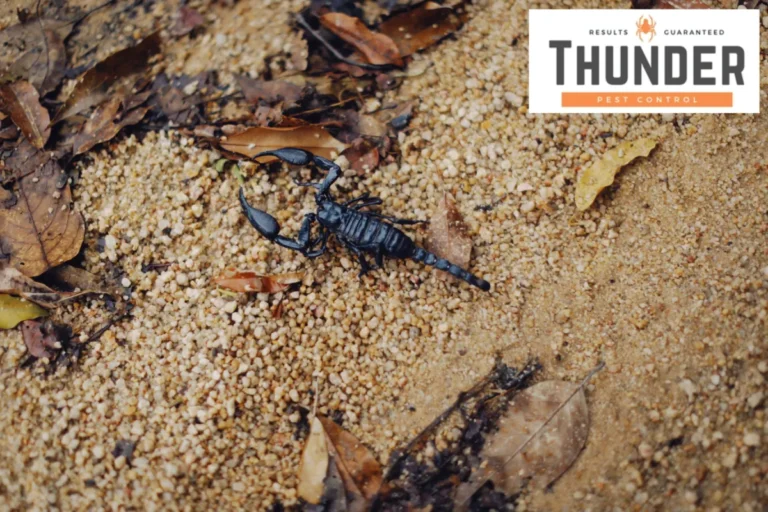
The striped bark scorpion (Centruroides vittatus) is a common scorpion species found in Oklahoma. It typically has a yellowish-tan body with two darker stripes running lengthwise along its abdomen. Like other scorpions, it has pincers and a segmented tail ending in a stinger.
Scorpions are arachnids, not insects. They generally hide during the day and become active at night, when they search for prey. Although Oklahoma scorpions are not generally considered dangerously venomous, their stings can be painful and may require medical attention.
Avoid handling a scorpion to identify it. If you find one indoors, keep children and pets away and contact a pest professional if sightings continue.
Why Are Scorpions Getting Into Oklahoma City Homes?
Scorpions usually live outdoors, where they hide beneath rocks, boards, logs, loose bark, and other sheltered objects. They may enter homes when outdoor conditions change, their habitat is disturbed, or they find access to suitable shelter and prey.
Several conditions may contribute to scorpion activity around a property:
- Easy entry points: Gaps around doors, windows, foundations, pipes, and utility lines can provide access indoors.
- Outdoor hiding places: Firewood, rocks, leaf piles, and landscape debris offer protected areas where scorpions can rest.
- Available prey: Scorpions feed on insects, spiders, and other small animals. An abundance of prey may make a property more attractive.
- Water and shelter: Scorpions need some moisture and may seek areas around plumbing, air-conditioning equipment, or other suitable sheltered locations.
- Changing weather: Heat, rain, and other weather changes can affect where scorpions seek shelter.
Understanding these factors can help homeowners take practical steps to reduce the likelihood of scorpions entering their homes.
Where Do Scorpions Hide Indoors and Outdoors?
Scorpions are often difficult to spot because they remain hidden during daylight hours. Knowing where to check can help you reduce potential encounters.
Common outdoor hiding places include:
- Under rocks, boards, bricks, and fallen logs.
- Around firewood piles and accumulated yard debris.
- Beneath loose tree bark and other protected surfaces.
- Near foundation gaps and clutter close to exterior walls.
Potential indoor hiding places include:
- Attics, crawl spaces, wall voids, and storage areas.
- Closets, cardboard boxes, and other undisturbed belongings.
- Bathrooms and areas around plumbing where water may be available.
- Shoes, clothing, or bedding left undisturbed in areas where scorpions may hide.
Wear gloves when moving yard debris or stored belongings, and avoid reaching into dark spaces without checking them first. If you suspect a scorpion is hiding in an inaccessible area, do not attempt to retrieve it by hand.
What Are the Signs of Scorpion Activity?
Seeing a scorpion inside your home or repeatedly finding them around the same areas is a reason to investigate possible entry points and nearby hiding places. However, a single sighting does not automatically mean your home has a large infestation.
Pay attention to:
- Scorpions appearing indoors, especially in the same area more than once.
- Sightings around doors, foundations, storage spaces, or plumbing areas.
- Outdoor hiding places close to your home’s exterior.
- Other insect activity that may provide a food source for scorpions.
Scorpion droppings are not a reliable sign for most homeowners to identify, so focus on actual sightings, potential entry routes, and suitable hiding places instead.
How to Scorpion-Proof Your Home
Prevention starts with making your home harder to enter and reducing the places where scorpions can hide. These steps can help limit activity around your property:
- Seal entry points. Inspect gaps around doors, windows, utility lines, and foundations. Use suitable weatherstripping, caulk, or other materials to close openings.
- Reduce outdoor clutter. Remove accumulated leaves, unused boards, rocks, and other debris near the home.
- Store firewood away from the house. Keep woodpiles elevated when practical and separated from exterior walls.
- Manage moisture. Repair leaks, address standing water, and check damp areas around plumbing and air-conditioning equipment.
- Maintain the landscape. Keep grass trimmed and avoid allowing dense vegetation or piles of debris to build up directly against the foundation.
- Reduce other pest activity. Since scorpions feed on insects and spiders, managing other pest problems may help reduce available prey.
- Check stored belongings. Inspect shoes, clothing, boxes, and items left in garages, closets, or storage spaces before handling them.
These measures can reduce hiding places and possible entry routes, but they cannot guarantee that scorpions will never enter. If sightings continue, a professional inspection can help identify conditions that may need additional attention.
What Should You Do if a Scorpion Stings You?
Scorpion stings can cause pain, redness, swelling, or tingling around the affected area. The severity varies, so take the sting seriously and seek medical advice when appropriate.
If someone is stung:
- Wash the area gently with soap and water.
- Apply a cool compress to help ease discomfort.
- Avoid cutting the wound, attempting to suck out venom, or using unverified remedies.
- Contact a healthcare professional or poison control service for guidance, particularly if a child has been stung or symptoms are concerning.
- Seek emergency medical help if severe symptoms occur, including difficulty breathing, widespread allergic symptoms, or significant muscle twitching.
Do not handle or attempt to capture the scorpion if doing so could lead to another sting. Medical professionals can advise on the appropriate response based on the person’s symptoms and circumstances.
DIY Scorpion Control vs. Professional Treatment
Home prevention measures can reduce the chances of scorpions entering your property, but they may not resolve recurring activity when entry points or outdoor hiding places remain unaddressed.
DIY measures are useful for sealing accessible gaps, removing clutter, and improving general sanitation. However, scorpions can hide in wall voids, crawl spaces, and other locations that are difficult to inspect thoroughly.
A professional Oklahoma City exterminator can assess the areas where scorpions have been found, look for possible entry points, and identify conditions that may be contributing to the problem. Based on the inspection, the technician can recommend appropriate treatment and prevention measures.
Avoid relying on unverified home remedies or applying pesticides contrary to label directions. Treatment should be selected according to the pest, the location, and the property’s specific conditions.
How Professional Scorpion Control Works
Professional scorpion control should address both observed activity and the conditions that allow scorpions to enter or hide around a property. The process may include the following steps:
1. Property inspection
A technician assesses reported sightings, potential hiding places, entry points, and nearby conditions that may support scorpion activity.
2. Customized treatment recommendations
The appropriate approach depends on the inspection findings, the property’s layout, and the location of the activity. Any treatment should be selected and applied according to its label and relevant safety requirements.
3. Entry-point and habitat prevention
Sealing gaps, reducing outdoor clutter, and addressing other contributing conditions can help support treatment efforts and reduce opportunities for future entry.
4. Follow-up guidance
The technician can explain what to monitor after treatment and whether additional attention may be necessary. With professional Oklahoma City pest control, follow-up recommendations can address continued sightings and conditions identified during the inspection.
Why Choose Thunder Pest Control?
Scorpion activity can be unsettling, especially when scorpions appear inside living spaces or near areas used by children and pets. Thunder Pest Control provides pest management services for Oklahoma homeowners and businesses, including help with scorpion concerns.
A professional assessment can help identify potential entry routes, hiding places, and conditions that may contribute to recurring activity. With pest control in Oklahoma City, homeowners can receive recommendations based on their property’s specific conditions rather than relying only on general prevention tips.

Frequently Asked Questions About Scorpions
What types of scorpions are common in Oklahoma?
The striped bark scorpion is a common species in Oklahoma. It usually has a yellowish-tan body with two darker stripes along its abdomen. Avoid handling any scorpion for identification.
How do scorpions enter a house?
Scorpions may enter through gaps around foundations, doors, windows, pipes, and other openings. They can also move indoors when outdoor shelter becomes unsuitable or when they find accessible prey.
Are scorpions in Oklahoma dangerous?
Oklahoma scorpions are not generally considered dangerously venomous, but their stings can be painful. Seek medical advice after a sting, especially if a child is affected or symptoms are severe.
Does finding one scorpion mean there are more?
Not necessarily. One sighting does not prove that a home has an infestation. However, repeated sightings may indicate accessible entry points or nearby hiding places that deserve inspection.
How can I prevent scorpions from entering my home?
Seal gaps around doors, windows, foundations, and utility lines. Remove yard debris, keep firewood away from exterior walls, manage moisture, and inspect stored belongings before handling them.
When should I call an Oklahoma City exterminator for scorpions?
Consider professional help if scorpions appear repeatedly indoors, you cannot identify where they are entering, or you are concerned about activity near children or pets. A technician can assess the property and recommend appropriate control measures.
Contact Thunder Pest Control for Scorpion Concerns
If scorpions keep appearing in your home, prevention steps alone may not address every contributing condition. Thunder Pest Control can help you explore appropriate options for scorpion control and broader pest concerns.
Contact us today to ask about service availability and arrange the next steps for your propert