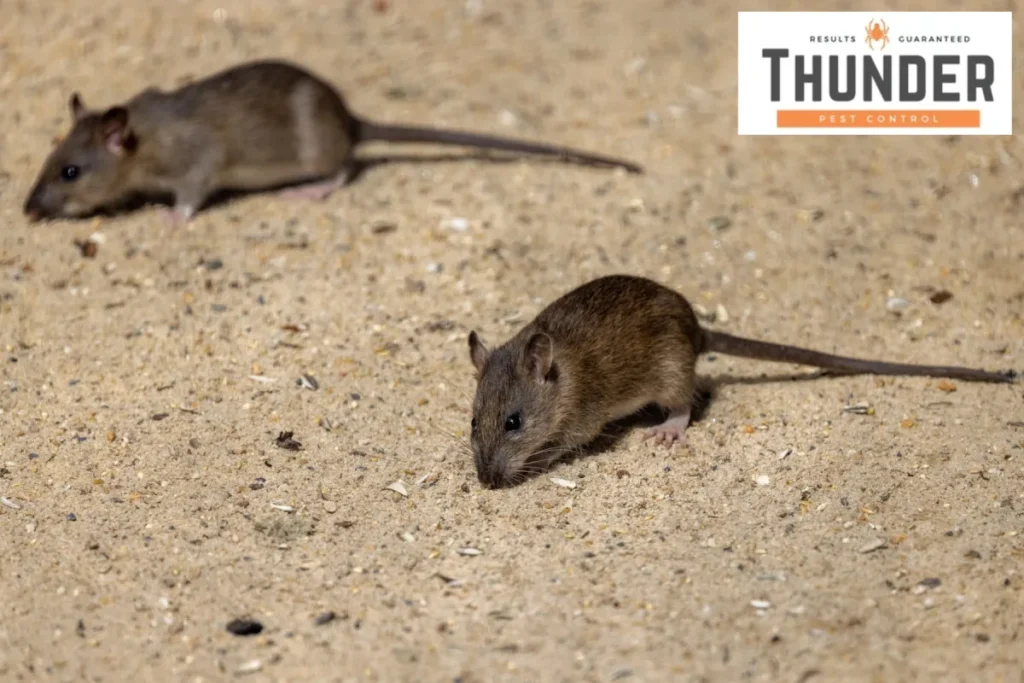
Mice and rats can return after a professional treatment when the conditions that attracted them remain unchanged. Open entry points, hidden nesting areas, and accessible food or water can allow new activity to develop even after the animals initially present have been removed. Preventing a recurring problem requires more than removal alone. It also involves identifying how these animals enter a property and addressing the conditions that allow them to stay.
Why Do Mice and Rats Return After Professional Rodent Control?
Seeing mice or rats again after treatment can be frustrating. However, their return does not always mean the original service was ineffective. Several conditions can contribute to recurring activity, particularly when the source of the problem has not been fully addressed.
1. Entry Points Are Still Open
Mice and rats can enter through surprisingly small openings around a property. Gaps around utility lines, damaged vents, spaces beneath doors, and cracks near the foundation can provide access to indoor areas.
If these openings remain unaddressed, new animals can enter even after the initial population has been removed. This is why a thorough inspection should include the home’s exterior, not just the rooms where activity has been reported.
A professional pest control in Rush Springs, OK service should consider possible access points when evaluating a recurring problem. Identifying these openings helps property owners understand how animals are getting inside and which areas may need repairs or exclusion work.
2. Hidden Nesting Areas Were Overlooked
Mice and rats often stay in quiet, undisturbed spaces where they can build nests and reproduce. Common hiding places include attics, wall voids, crawl spaces, basements, storage areas, and spaces behind appliances.
If activity is limited to a visible area, it can be easy to overlook a nest somewhere else in the home. Removing the animals found in one location may not address activity in another part of the property.
A detailed inspection helps identify signs such as nesting materials, droppings, gnaw marks, and damaged insulation. These clues can help professionals determine where activity is concentrated and whether additional areas need attention.
3. Food and Water Sources Remain Accessible
Even after removal, accessible food and water can continue attracting mice and rats. Unsealed pantry items, pet food left overnight, overflowing trash bins, crumbs, and standing water can make a property more appealing.
These food sources are not always obvious. A small amount of spilled birdseed in a storage area or an uncovered bag of pet food in the garage may be enough to attract unwanted visitors.
Homeowners can reduce these conditions by storing food in sealed containers, cleaning up spills promptly, securing garbage, and repairing leaking pipes. Removing easy access to food and water supports a more effective prevention plan.
4. The Original Problem Was Not Fully Addressed
Removal is only one part of resolving an infestation. If the inspection does not identify the full extent of activity, some animals may remain in concealed areas.
For example, a homeowner might notice scratching in the ceiling but overlook droppings inside a kitchen cabinet. Treating only the area where the noise is most noticeable may leave other active locations unaddressed.
This is one reason professional inspections matter. A complete evaluation considers signs of rodent activity throughout the property, possible nesting locations, and access points that could contribute to continued activity.
What Are the Signs That Mice or Rats Are Still Active in Your Home?
Not every sign means an active infestation is present, but certain clues can indicate that animals are still moving through your home. Pay attention to changes in different areas, especially places that are dark, quiet, or rarely disturbed.
Common warning signs include:
- Fresh droppings: Small, dark droppings may appear along walls, inside cabinets, near food storage, or around suspected entry points.
- Scratching or scurrying sounds: Noises inside ceilings, walls, and floors may indicate movement, particularly at night.
- Gnaw marks: Chewed packaging, wood, wiring, and other materials can point to ongoing activity.
- Nesting materials: Shredded paper, fabric, insulation, and other soft materials may be gathered in concealed spaces.
- Unusual odors: A persistent, unpleasant smell in an enclosed area may indicate hidden activity or a dead animal.
- Damaged food packaging: Torn bags and containers can suggest that animals have been searching for food.
Pay attention to whether these signs are new or recurring. Fresh droppings, recently damaged materials, and repeated sounds may indicate ongoing activity that deserves further inspection.
If you are unsure where the signs are coming from, avoid disturbing suspected nesting areas. A professional Rush Springs pest control can assess the evidence and help determine the appropriate next steps.
How Does Professional Rodent Control Prevent Mice and Rats From Returning?
A prevention-focused approach looks beyond the animals currently inside the home. It considers the property’s condition, activity patterns, and possible access points to develop a more complete plan.
Here is what homeowners can expect during a professional service:
Step 1: Inspect the Interior and Exterior
The process begins with an evaluation of areas where activity has been reported. Professionals may check attics, basements, kitchens, storage rooms, crawl spaces, and other locations where signs are commonly found.
The exterior also needs attention. Foundations, rooflines, vents, doors, utility openings, and other structural features can reveal how animals may be entering.
A thorough inspection helps establish where to focus the next steps instead of relying on a single visible sign.
Step 2: Identify Signs and Areas of Activity
After inspecting the property, professionals assess the evidence to determine where activity is occurring. Droppings, gnaw marks, nesting materials, and damaged items can help reveal movement patterns.
This evaluation is important because different areas may require different attention. For instance, activity inside a pantry may have a different contributing factor than scratching sounds coming from an attic.
Understanding these details helps create a treatment plan based on the property’s actual conditions.
Step 3: Develop a Targeted Removal Plan
Once the inspection is complete, the next step is to determine how to address the existing activity. The approach may involve strategically placed traps and other appropriate removal methods based on the situation.
Placement matters. Traps should be positioned in suitable locations where activity has been identified, rather than randomly throughout the home. Professionals can also explain what homeowners should expect during the process and whether follow-up visits may be needed.
Step 4: Address Entry Points and Exclusion Needs
Removing existing animals does not prevent new ones from entering through the same openings. Exclusion work focuses on reducing access by identifying and addressing vulnerable areas.
Depending on the opening and its location, materials such as steel wool or expandable foam may be used as part of a repair or exclusion strategy. However, these materials are not suitable for every situation. Some gaps require a more durable covering or structural repair, particularly where materials may be chewed or exposed to weather.
Combining removal with appropriate exclusion measures helps address both current activity and potential future access.
Step 5: Monitor Activity and Recommend Prevention Measures
After the initial work, monitoring helps determine whether activity has decreased and whether additional attention is necessary.
Professionals may recommend checking previously affected areas, monitoring traps, and watching for new signs. Homeowners should also follow any service instructions and report recurring noises, droppings, or damage.
A prevention plan is more effective when property owners and professionals work together to address the conditions that contribute to the problem.
Rodent Trapping vs. Exclusion: What Is the Difference?
Trapping and exclusion serve different purposes. One helps remove animals already inside a property, while the other focuses on reducing the chances of new animals entering.
| Approach | Main Purpose | What It Addresses |
| Trapping | Remove existing mice or rats | Animals currently active inside the property |
| Exclusion | Limit access to the building | Gaps, cracks, and other potential entry points |
| Inspection | Identify the source and extent of activity | Nesting areas, damage, droppings, and access routes |
| Monitoring | Check whether activity continues | New signs and areas that may need additional attention |
Neither approach should automatically replace the other. Trapping may be necessary when animals are already inside, while exclusion helps address the openings that allowed them to enter.
For homeowners dealing with recurring activity, combining removal, inspection, and appropriate exclusion measures can provide a more complete solution.
Common Myth: If You Stop Seeing Mice or Rats, the Infestation Is Gone
Not seeing an animal does not necessarily mean the problem has been resolved. Mice and rats are often active at night and can remain hidden in walls, ceilings, attics, and other enclosed spaces.
A quiet home may simply mean that activity is happening somewhere less noticeable. Other signs, such as droppings, gnaw marks, damaged packaging, or scratching sounds, may still be present.
Homeowners should avoid relying on sightings alone to determine whether a problem has ended. Checking previously affected areas and following professional monitoring recommendations can provide a clearer picture.
How Thunder Pest Control Approaches Long-Term Rodent Prevention
Addressing recurring activity requires a plan that considers the entire property. Thunder Pest Control combines more than 50 years of experience with inspections and targeted solutions designed around the conditions found at each home.
Thorough Property Evaluations
Licensed professionals assess both interior and exterior areas to identify signs of activity, possible nesting locations, and potential entry points. This helps ensure that the plan addresses more than the most visible symptoms.
Targeted Removal and Exclusion
The appropriate removal approach depends on the inspection findings. Professionals can also identify openings that may need to be sealed or repaired to reduce future access.
Licensed Professionals and Eco-Friendly Solutions
Working with licensed professionals gives homeowners access to trained service providers who can evaluate the situation and recommend appropriate measures. Thunder Pest Control also emphasizes eco-friendly solutions as part of its approach to pest management.
Continued Prevention Guidance
Long-term prevention also depends on the conditions homeowners maintain after service. Recommendations may include improving food storage, reducing clutter, securing garbage, and addressing structural openings.
For properties in agricultural surroundings, including homes near fields or storage areas around Rush Springs, it can be especially useful to pay attention to exterior access points and places where food or shelter may be available.
How Can Homeowners Reduce the Risk of Mice and Rats Returning?
Professional service can address existing activity, but everyday maintenance also plays an important role in prevention. These practical steps can make a property less inviting.
- Store food properly. Keep pantry items, grains, pet food, and other food supplies in tightly sealed containers.
- Clean up crumbs and spills. Wipe counters, sweep floors, and clean areas where food is prepared or stored.
- Secure garbage. Use containers with tight-fitting lids and remove household waste regularly.
- Reduce clutter. Organize storage areas and avoid leaving piles of cardboard, paper, or fabric undisturbed for long periods.
- Inspect possible entry points. Check around doors, windows, pipes, vents, and the foundation for gaps that may need repair.
- Maintain the exterior. Keep vegetation trimmed near the home and avoid allowing debris to accumulate against exterior walls.
- Check quiet spaces regularly. Inspect attics, garages, basements, and storage rooms for droppings, nesting materials, and damage.
- Address leaks and moisture. Repair dripping pipes and other sources of standing water that may attract unwanted activity.
- Follow professional recommendations. Complete any suggested repairs and monitoring steps after service.
If you live in an area where seasonal changes or nearby agricultural activity affect the conditions around your home, regular exterior checks can help you notice new signs early. Homeowners seeking pest control in Rush Springs can benefit from addressing both indoor conditions and potential outdoor access points.
People Also Ask
Why do mice keep coming back after pest control?
Mice may return when entry points remain open, food sources are accessible, or hidden nesting areas were not addressed. A complete prevention plan should consider these conditions in addition to removing the animals already inside.
How long does it take to get rid of mice and rats?
The time required depends on the extent of activity, the number of affected areas, and whether entry points and other contributing conditions are addressed. Some situations may require monitoring and follow-up service.
Can mice return after all the traps have been removed?
Yes. New animals may enter if gaps and openings remain accessible. Removing existing animals does not automatically prevent future access.
What attracts mice and rats to a house?
Common attractants include accessible food, pet food, garbage, water leaks, clutter, and sheltered spaces where animals can nest. Addressing these conditions can make a property less appealing.
Should I seal holes before or after removing mice?
The appropriate timing depends on the location and extent of activity. Sealing an opening without understanding whether animals are still inside could create additional problems. A professional inspection can help determine the right sequence of removal and exclusion work.
Get Professional Help With Recurring Rodent Activity
Repeated signs of mice or rats can point to entry points, hidden nesting areas, or other conditions that need attention. Thunder Pest Control helps homeowners address these issues through professional inspections and targeted solutions that focus on the source of the problem, protecting your home and reducing the chance of another infestation.
Our company provides professional inspections and targeted removal solutions backed by licensed professionals and extensive industry experience. Call us today for details, to request assistance, and to discuss the right approach for your property.