If you’ve ever spent a summer evening outdoors in Oklahoma City, you know firsthand how annoying mosquitoes can be. But have you ever wondered just how long these pesky insects live? Understanding the life cycle of mosquitoes can help you take effective measures to control them around your home and yard. Let’s dive into the world of mosquitoes and uncover the secrets of their lifespan right here in Oklahoma City.
The Lifespan of a Mosquito: A Brief Overview
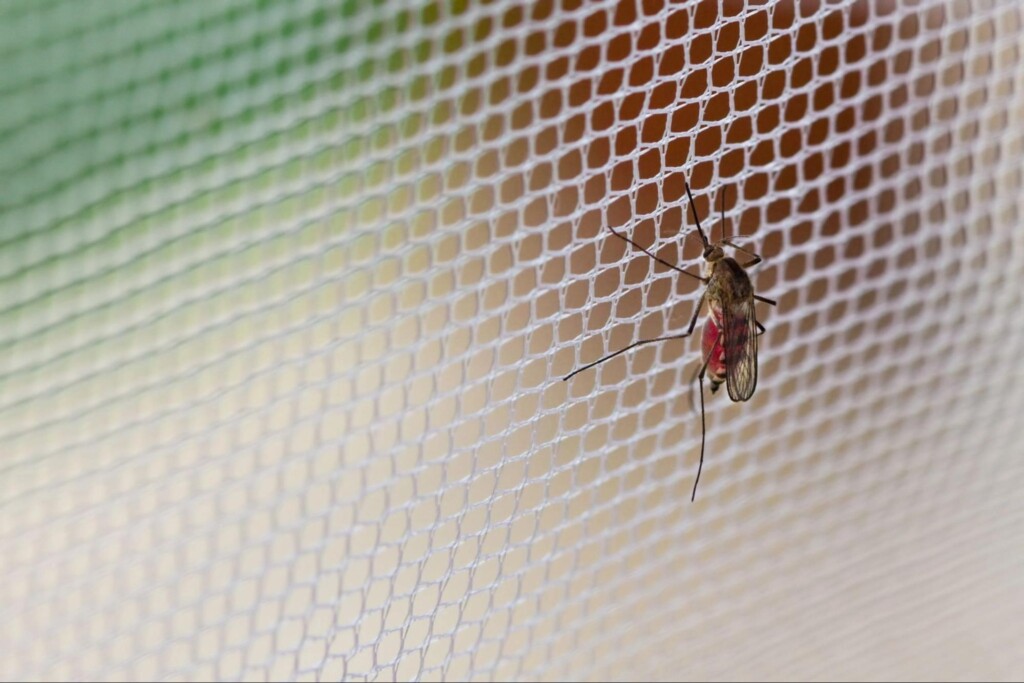
Mosquitoes might seem like they’re around forever, but their actual lifespan isn’t as long as you might think.
Typically, a mosquito’s life cycle can be divided into four stages: egg, larva, pupa, and adult. The time each mosquito spends at each stage can vary with environmental conditions such as temperature and humidity. Understanding this life cycle is important because it helps homeowners identify breeding areas and take preventive action. For persistent mosquito activity, professional pest control in Oklahoma City can help reduce mosquito populations and protect your property from future infestations.
So, let’s break it down:
1. Egg Stage
Female mosquitoes lay their eggs in or near water. These eggs can survive in dry conditions for several months, waiting for the right conditions to hatch. In Oklahoma City, with its fluctuating weather, these eggs can lay dormant until the next rainfall, which brings them to life.
2. Larva Stage
Once the eggs hatch, they transform into larvae, also known as “wigglers.” The larva stage lasts about 7 to 14 days, during which they live in water and feed on organic matter. The warmer the weather, the quicker they grow. Given Oklahoma City’s hot summers, this stage can sometimes be shorter.
3. Pupa Stage
The next stage is the pupa stage, often called “tumblers.” This is a resting, non-feeding stage where the mosquito prepares to become an adult. This stage lasts for about 2 to 4 days. During this time, the pupa remains in the water but doesn’t eat.
4. Adult Stage
Finally, the mosquito emerges as an adult. Male mosquitoes typically live for about a week, just long enough to mate. Female mosquitoes, however, can live anywhere from a couple of weeks to a month, depending on conditions such as weather and the availability of food sources (i.e., blood). Female mosquitoes are the ones that bite, as they need blood to produce eggs.
Factors Affecting Mosquito Lifespan in Oklahoma City
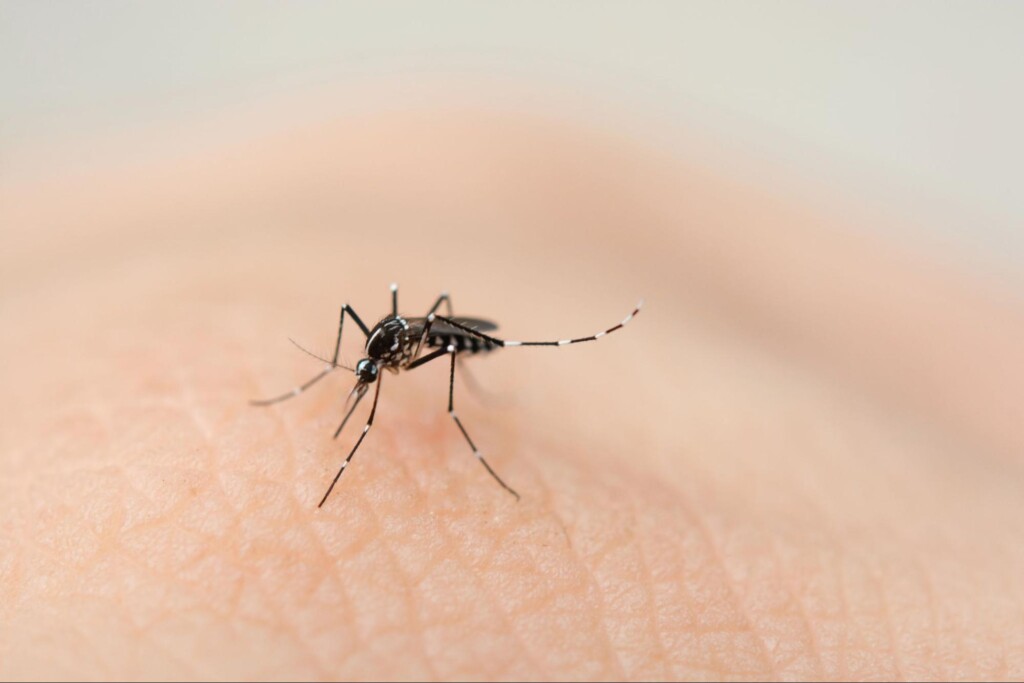
No two mosquitoes are exactly alike – and neither are their lifespans. Here are some factors that can influence that lifespan.
Temperature
Mosquitoes thrive in warmer weather, which is why they’re most active during Oklahoma City’s hot summer months. Higher temperatures speed up their life cycle, meaning eggs hatch faster, and larvae grow quicker.
Humidity
Mosquitoes need water to breed, so higher humidity levels create an ideal environment for them to thrive. Oklahoma City’s rainy seasons can provide perfect breeding grounds for mosquitoes, extending their presence.
Food Sources
Female mosquitoes need blood to produce eggs, so the availability of hosts (such as humans and other animals) can affect how long they live. More food means they can produce more eggs, potentially live longer, and lay more batches.
Predators
Natural predators like birds, bats, and other insects can help control the mosquito population. Areas with more natural predators may see shorter mosquito lifespans.
How to Control Mosquitoes in Your Yard

Now that you know more about the mosquito life cycle, you might be wondering how to keep these pests at bay. Here are some practical tips to reduce mosquito activity around your property. If mosquitoes remain a problem despite your efforts, an experienced Oklahoma City exterminator can help identify breeding sites and provide targeted treatments for long-term control.
Eliminate Standing Water
Mosquitoes need water to breed, so eliminating standing water around your home is crucial. Check for any areas where water can accumulate, such as bird baths, flower pots, and clogged gutters. Regularly empty and clean these areas to prevent mosquitoes from laying eggs.
Use Mosquito Repellents
Applying mosquito repellents, especially those containing DEET, can help keep mosquitoes away. Use them when you’re spending time outdoors, particularly during dawn and dusk when mosquitoes are most active.
Install Screens
Make sure your windows and doors have screens to prevent mosquitoes from entering your home. Repair any holes or tears in existing screens to keep these pests out.
Plant Mosquito-Repellent Plants
Certain plants, such as citronella, lavender, and marigolds, are known to repel mosquitoes. Consider planting these around your yard to create a natural barrier against mosquitoes.
Use Mosquito Traps
Various mosquito traps are available that attract and kill mosquitoes. These can be an effective way to reduce the mosquito population around your home.
When to Call in the Professionals for Mosquito Control
Sometimes, despite your best efforts, mosquitoes can still be a major problem. If you’re finding it difficult to control the mosquito population around your home, it might be time to call in the professionals. Oklahoma City pest control offers expert mosquito control services that can help you reclaim your yard.
Understanding the lifespan of mosquitoes and the factors that affect their survival can help you take proactive steps to control them around your home. While mosquitoes may live only a few weeks, their presence can make those weeks feel much longer if they’re constantly buzzing around.
If you’re struggling with mosquitoes and need expert help, don’t hesitate to reach out to Thunder Pest Control. With our local expertise and effective solutions, you can enjoy your outdoor spaces without the hassle of pesky mosquitoes.
Ready to take back your yard? Contact us today for a free quote and get started on your path to a mosquito-free home!
Learn more here:
Answering Commonly Asked Mosquito Questions In Oklahoma City
How To Keep Mosquitoes Away From Your Oklahoma City Property
The Secret Life of Mosquitoes: How Long They’re Really Buzzing Around